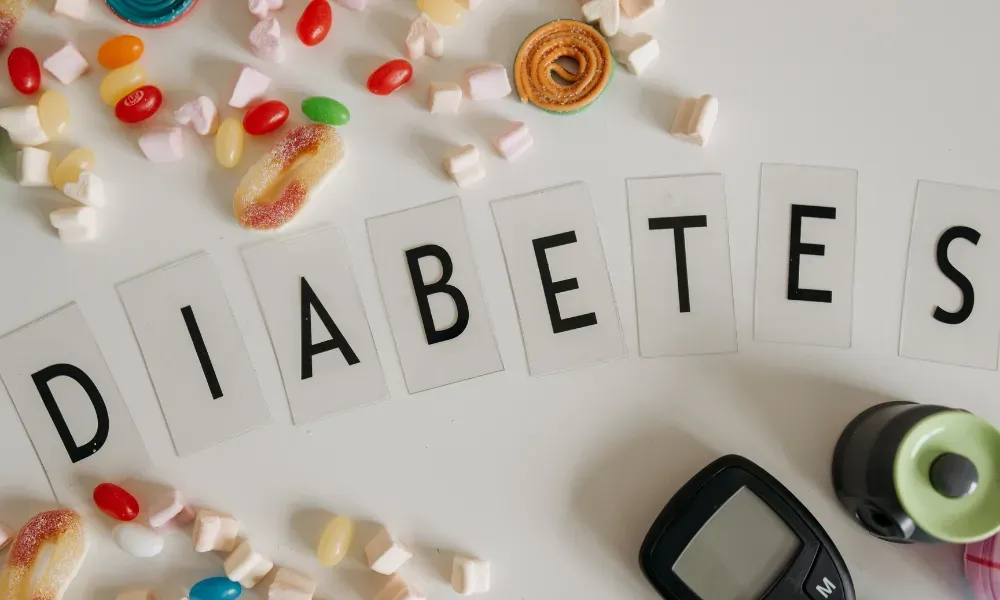
November, World Diabetes Awareness Month
Raising Diabetes Awareness, Inspiring Prevention, and Supporting Better Health
November is Diabetes Awareness Month, a time to educate communities, encourage healthy lifestyle choices, and show support for the millions of people living with diabetes.
Diabetes is a chronic health condition that affects how the body regulates blood glucose (blood sugar). While diabetes can be challenging to manage, education, early detection, and proper care can make a meaningful difference in a person's health and quality of life.
Understanding Diabetes
Diabetes occurs when the body does not produce enough insulin or cannot effectively use the insulin it produces. Insulin is a hormone that helps move glucose from the bloodstream into the body's cells for energy.
There are three main types of diabetes:
- Type 1 Diabetes: An autoimmune condition in which the body attacks the insulin-producing cells in the pancreas. People with Type 1 diabetes need insulin to survive.
- Type 2 Diabetes: A condition in which the body does not use insulin effectively or does not produce enough. Lifestyle, genetics, and other factors can contribute to its development.
- Gestational Diabetes: A type of diabetes that develops during pregnancy and requires monitoring and management to protect both mother and baby.
Know the Warning Signs
Recognizing the signs of diabetes is important. Common symptoms include:
- Increased thirst and frequent urination.
- Unexplained weight loss.
- Increased hunger.
- Feeling tired or weak.
- Blurred vision.
- Slow-healing cuts or sores.
- Frequent infections.
Some people, especially those with Type 2 diabetes, may experience few or no noticeable symptoms. Routine health screenings can help identify diabetes early.
Prevention Starts With Healthy Choices
Although not all types of diabetes can be prevented, certain lifestyle changes can reduce the risk of developing Type 2 diabetes.
Consider incorporating these healthy habits into your daily routine:
- Eat balanced meals: Include vegetables, fruits, whole grains, lean proteins, and healthy fats.
- Stay physically active: Aim for regular movement, such as walking, swimming, dancing, or cycling.
- Maintain a healthy weight: Even modest weight loss can help reduce Type 2 diabetes risk for people with prediabetes.
- Schedule regular checkups: Ask your healthcare provider whether diabetes screening is appropriate for you.
- Prioritize sleep and stress management: Healthy sleep habits and stress management support overall wellness.
Living Well With Diabetes
A diabetes diagnosis does not mean you cannot live a full and healthy life. With the right support and treatment plan, many people successfully manage their condition.
Managing diabetes may include monitoring blood sugar, taking prescribed medications, following a personalized nutrition plan, staying active, and attending regular medical appointments.
Family members, friends, healthcare professionals, and community organizations also play an important role in providing encouragement and support.
How Can You Support Diabetes Awareness Month?
This November, everyone can help make a difference:
- Share reliable diabetes education and resources.
- Encourage friends and family to discuss diabetes screening with their healthcare providers.
- Support people living with diabetes without judgment or stigma.
- Participate in diabetes awareness events and community programs.
- Promote healthy eating and physical activity at home, work, and school.
Let's Make Diabetes Awareness a Year-Round Priority
Diabetes Awareness Month reminds us that knowledge is powerful. By understanding the risk factors, recognizing warning signs, encouraging preventive care, and supporting those affected, we can help build healthier communities.
This November, take a moment to learn, share, encourage, and take action. Small steps toward better health can make a big difference. Know the signs. Know your risk. Get screened. Support diabetes awareness.
Disclaimer: This article is for educational purposes only and is not a substitute for professional medical advice, diagnosis, or treatment.